Shipping goods across countries can feel confusing. There are rules, routes, and a lot of moving parts. This guide breaks it all down in a simple way. The freight forwarding process helps businesses move goods from one place to another without stress. So, if you want to understand how international shipping works step by step, you’re in the right place.
What is Freight Forwarding?
Freight forwarding means managing the movement of goods for businesses. A freight forwarder does not move goods on their own trucks all the time. Instead, they plan and manage the entire shipping chain. They handle:
- Air, ocean, and land transport
- Paperwork and shipping rules
- Coordination between suppliers and buyers
So, they act as a bridge between all parties. This also connects directly with the international shipping process, where goods move across borders using proper planning and control.
Freight Forwarding Steps
Each step in the process plays a role in moving cargo from origin to destination without disruption.
Step 1: Shipment Booking & Quote
Every shipment starts with a plan. A business shares details like:
- Product type
- Size and weight
- Destination
Then, the forwarder gives a freight quote. After that, shipment booking takes place. This step locks in transport space. Without this step, nothing moves forward.
Step 2: Documentation Preparation
Now comes paperwork. Shipping needs proper documents to move smoothly. This stage depends on shipping documents and freight forwarding documentation to keep everything in order. These include:
- Invoice
- Packing list
- Bill of Lading
These documents prove what is inside the shipment. Even a small mistake here can stop the entire shipment. So, this step plays a big role in freight forwarding procedures and overall shipment control.
Step 3: Cargo Pickup & Warehousing
Next, goods move from the seller to a warehouse. This step includes:
- Cargo pickup
- Sorting and checking
- Safe storage
This stage depends heavily on cargo handling and warehousing services to keep goods safe and properly managed before shipping. Warehouses help control inventory before transport.
Also, this is where the logistics process flow starts to become visible. Goods move step by step in a planned path.
Step 4: Export Customs Clearance
Before goods leave a country, customs must approve them. Officials check:
- Documents – to confirm shipment details are correct and match the cargo
- Product type – to ensure the goods are allowed for export and properly classified
- Legal rules – to verify that the shipment follows all export laws and regulations
This step is called export customs clearance. If rules are not followed, shipments can get delayed or even rejected.
Step 5: Freight Transportation
Now the goods finally travel. They move through:
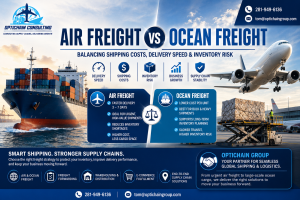
- Air freight (fast but costly)
- Ocean freight (slow but good for bulk)
- Road or rail (for nearby regions)
This is the main shipping phase. Each mode fits different needs. So, businesses choose based on time, cost, and cargo type.
Step 6: Import Customs Clearance
When goods reach the destination country, another check happens. This is import clearance. Authorities review:
- Documents
- Duties and taxes
- Compliance rules
Only after approval can goods move further.
Step 7: Last-Mile Delivery
Now comes the final step. Goods travel from the port or warehouse to the buyer. This step includes:
- Local transport
- Delivery scheduling
- Final handover
This is also called last-mile shipping. It may look simple, but delays here can still affect customer satisfaction.
When Missing Documents Disrupt Freight Forwarding Flow?
Freight forwarding depends on complete paperwork. If even one document is missing, the shipment can stop at customs or get delayed. Key documents required in freight forwarding include:
Invoice — shows product value and transaction details
• Packing List — explains what is inside each shipment
• Bill of Lading — acts as proof of shipment and transport contract
• Export/Import Declaration — confirms legal approval for movement across borders
When any of these are missing or incorrect, authorities may hold the cargo, request corrections, or delay clearance. This slows down the full freight forwarding process and creates extra handling time at ports.
Common Challenges in Freight Forwarding
Shipping sounds simple, but problems can pop up.
Some common issues include:
- Delays due to weather or port traffic
- Missing or wrong documents
- Customs issues
- Poor coordination
These challenges affect the full freight forwarding steps, especially when planning is weak.
How to Optimize the Freight Forwarding Process?
You can improve shipping by making smart choices. This is where logistics optimization plays a key role in keeping operations structured and efficient. Here’s how:
- Plan routes early to avoid delays and reduce transit time
- Use digital tracking tools to monitor movement in real time
- Keep documents accurate to prevent customs or clearance issues
- Work with experienced partners who understand complex shipping needs
All these steps work together to improve shipping efficiency across the entire supply chain. Also, focus on clear communication. It reduces confusion, avoids rework, and saves time. This improves the full logistics process flow and keeps operations smooth from start to finish.
Why Work with a Professional Freight Forwarder?
Handling shipping alone can get messy. This is where freight forwarding services make a real difference by managing the entire process from start to finish. A freight forwarder works as a logistics partner who supports businesses in moving goods without stress or delays. They help by:
- Managing complex shipping routes across air, sea, and land
- Handling customs rules to avoid clearance issues
- Reducing delays through better planning and coordination
- Saving time by managing the full shipping workflow
They also bring real-world experience in global shipping. So, businesses can focus on selling products instead of worrying about logistics operations or transport issues.
Bottom Line
Now you understand how shipping works from start to finish. The freight forwarding process connects planning, transport, customs, and delivery into one smooth system. Each step matters, and small errors can cause delays. So, having the right support makes a big difference in global shipping.
Optichaingroup helps businesses move goods across borders with better control and planning. We manage shipping, warehousing, and delivery in one place. This makes operations easier for growing businesses. If you want smoother logistics, their team can guide you at every step.
Frequently Asked Questions
(1) What is the freight forwarding process?
It is a step-by-step system that manages shipping, documents, transport, and delivery of goods across different countries smoothly.
(2) How many steps are in the freight forwarding process?
The process usually includes seven main steps, starting from booking and ending with final delivery to the customer.
(3) Why is documentation important in shipping?
Proper documents prevent delays, help with customs clearance, and ensure goods move legally across borders without unnecessary problems or penalties.
(4) What causes delays in freight forwarding?
Delays often happen due to customs checks, wrong documents, weather issues, or poor coordination between shipping partners.
(5) Can businesses handle freight forwarding without experts?
Businesses can try, but experts reduce risks, manage complex steps, and ensure faster, smoother delivery across global shipping routes.